Running OpenClaw safely: identity, isolation, and runtime risk
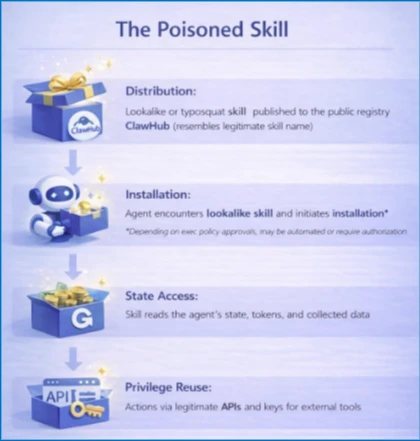
Self-hosted agents execute code with durable credentials and process untrusted input. This creates dual supply chain risk, where skills and external instructions converge in the same runtime. As OpenClaw-like systems enter enterprises, governance and runtime isolation become critical.
The post Running OpenClaw safely: identity, isolation, and runtime risk appeared first on Microsoft Security Blog.
📌
Key Points
1Self-hosted agents execute code with durable credentials and process untrusted input
2This creates dual supply chain risk, where skills and external instructions converge in the same runtime
3As OpenClaw-like systems enter enterprises, governance and runtime isolation become critical
4The post Running OpenClaw safely: identity, isolation, and runtime risk appeared first on Microsoft Security Blog.
📋
Overview
Self-hosted agents execute code with durable credentials and process untrusted input. This creates dual supply chain risk, where skills and external instructions converge in the same runtime. As OpenClaw-like systems enter enterprises, governance and runtime isolation become critical.
The post Running OpenClaw safely: identity, isolation, and runtime risk appeared first on Microsoft Security Blog.
🆕
What's New
Self-hosted agents execute code with durable credentials and process untrusted input. This creates dual supply chain risk, where skills and external instructions converge in the same runtime. As OpenClaw-like systems enter enterprises, governance and runtime isolation become critical.
The post Running OpenClaw safely: identity, isolation, and runtime risk appeared first on Microsoft Security Blog. These changes reflect Microsoft's ongoing investment in the Security ecosystem and their commitment to continuous improvement.
👥
Who's Affected
This update may affect users across multiple Microsoft products and services. IT professionals and system administrators should review the specifics to determine the impact on their environment.
✅
What You Should Do
1. Review the official Microsoft documentation for full details.
2. Assess impact on your specific environment and use cases.
3. Test changes in a non-production environment before deploying.
4. Keep an eye on Microsoft community forums for user feedback.
5. Bookmark the official announcement for reference.
📖
Background & Context
Microsoft regularly releases updates, patches, and feature announcements across its product ecosystem. This Security announcement is part of Microsoft's ongoing commitment to improving security, performance, and user experience across all platforms. For context, Microsoft typically follows a monthly update cycle (Patch Tuesday) for security updates, while feature updates and announcements may come at any time through preview channels and official blog posts. This independent coverage summarizes official Microsoft announcements to help IT professionals stay informed without needing to monitor multiple sources.
Share this update:
Verify from Official Source
Cross-check details, download links, and complete notes directly from Microsoft.
Disclaimer: This is an independent news blog and is not affiliated with, endorsed by, or sponsored by Microsoft Corporation. All product names, logos, and trademarks are the property of their respective owners. Always verify updates from official Microsoft sources before installation.